
So many parents enter the store or our classes with toddlers and are filled with questions about preschool, timelines, development, teaching, and supporting their wonderful and curious tiny toddler. Now that they are walking and starting to put a few words together the responsibility we have for growth and education suddenly is thrust in our laps. And you thought just keeping them alive to year one was going to be the biggest hurdle for a while.
If you start your search on the great vast black hole that is the internet you quickly will find yourself rather overwhelmed. Bounce over to Instagram and follow a toddler play account, and it seems so easy, so why isn’t it working for your kid?
As a former early childhood teacher, a mom of four, and a current community education leader, I am here to tell you, take a breath, keep exploring and you will find the path forward that works best for your family. Whether you’re drawn to Montessori, imaginative play, or focusing on fine motor skills, it’s all about creating a fun, supportive environment where your little one can thrive. And we can’t forget, each child is different. What works for one may not work for another. It takes time, effort, and patience to figure it out, and it’s not always easy. So, let’s dive into a few toddler learning approaches that help them grow in their own unique way—without adding any extra stress to your day!
1. Montessori: Encouraging Independence
If you’ve been hearing the buzz about Montessori, it’s not at all the wooden toys and the subscription kits. At the core of Montessori, it’s all about nurturing independence. Marketing and Instagram have catapulted “Montessori” as a marketing word for a pretty wide reach of ideas and materials which makes it tricky to digest. But at its core, true Montessori school program, and Montessori-inspired advice and resources give curious toddlers the tools to take charge of small tasks, which not only boosts their confidence but also teaches them to problem-solve in everyday situations.
Activities: Simple things like sorting toys by size or color, pouring water into a cup, or even just letting your little help prepare snacks. These are small tasks for us but huge learning moments for them! The small sort term mess will set you both up for greater independence long term.
Why it’s beneficial: Montessori activities are wonderful toddler learning approaches for fine motor development and hand-eye coordination. Plus, when toddlers tackle these tasks on their own, it builds self-confidence.
And let’s be honest—giving them engaging activities may just allow you a minute to drink that lukewarm coffee.
2. Imaginative Play: Fostering Creativity
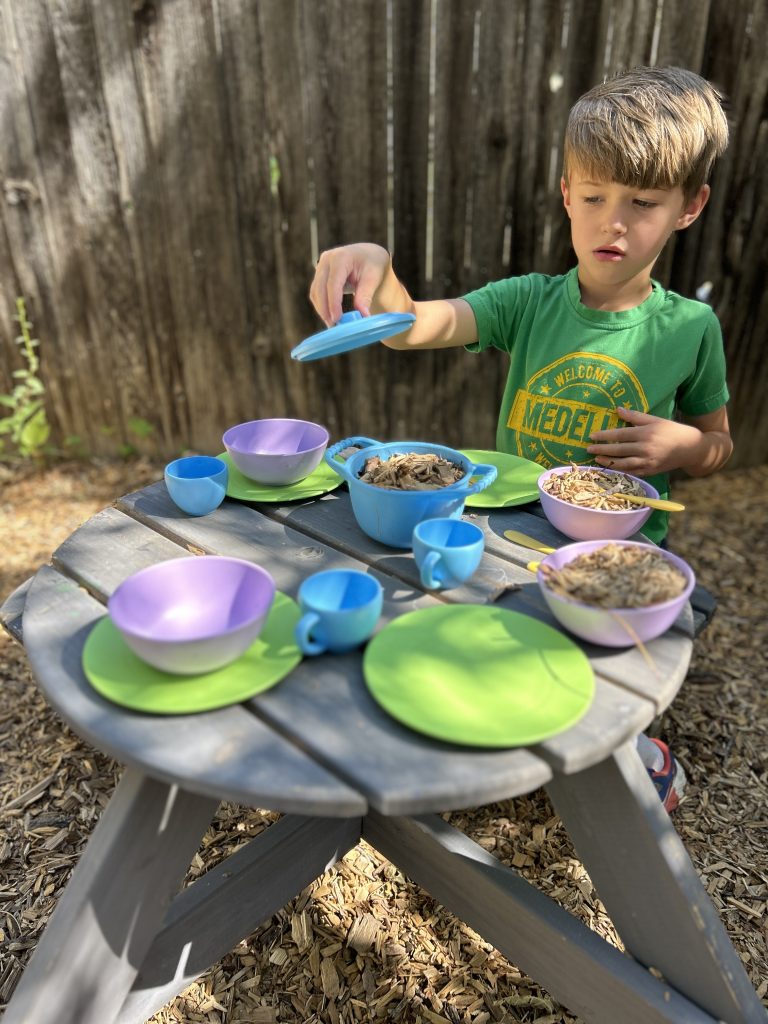
I will be the first do admit that despite hundreds, maybe thousands of attempts at imaginative play, I do not particularly enjoy it. Naturally I was gifted with three children who adore creative and pretend play. They will spend hours preparing and consuming pretend pies and scones. Rooms are transformed and left completely anew with furniture rearrangement and materials pulled from all corners of the house.
And while it will never be my favorite activity to participate in with my kids. I do it because there is just something so special about being invited into their wild imaginary world. And yes, I do share with them it isn’t my favorite activity. Its better than okay for kids to see you have fun doing something with them that isn’t your favorite. Sometimes we do things we don’t love because they are special to the people we love.
So whether its an imaginary restaurant or an airplane ride into outer-space, imaginative play is more than just fun—it’s a crucial part of growth. It gives them a chance to process what they see and hear, and practice navigating the world through pretend scenarios. It builds language and negotiation skills and allows them to create openly and freely.
Activities: Think dress-up, puppet shows, or playing with dolls and stuffed animals. It doesn’t even have to require buying anything. You can turn household items into props—a box becomes a car, a towel becomes a superhero cape. Imaginative play is all about letting them take the lead. It is so much fun to watch what they’re little minds come up with!
Why it’s beneficial: Imaginative play activities are wonderful toddler learning approaches to help explore their emotions and practice social skills. They get to step into different roles, experiment with problem-solving, and build empathy. Plus, it’s a wonderful way for them to express creativity in a no-pressure, totally fun environment.


3. Open-Ended Play: Let Them Explore
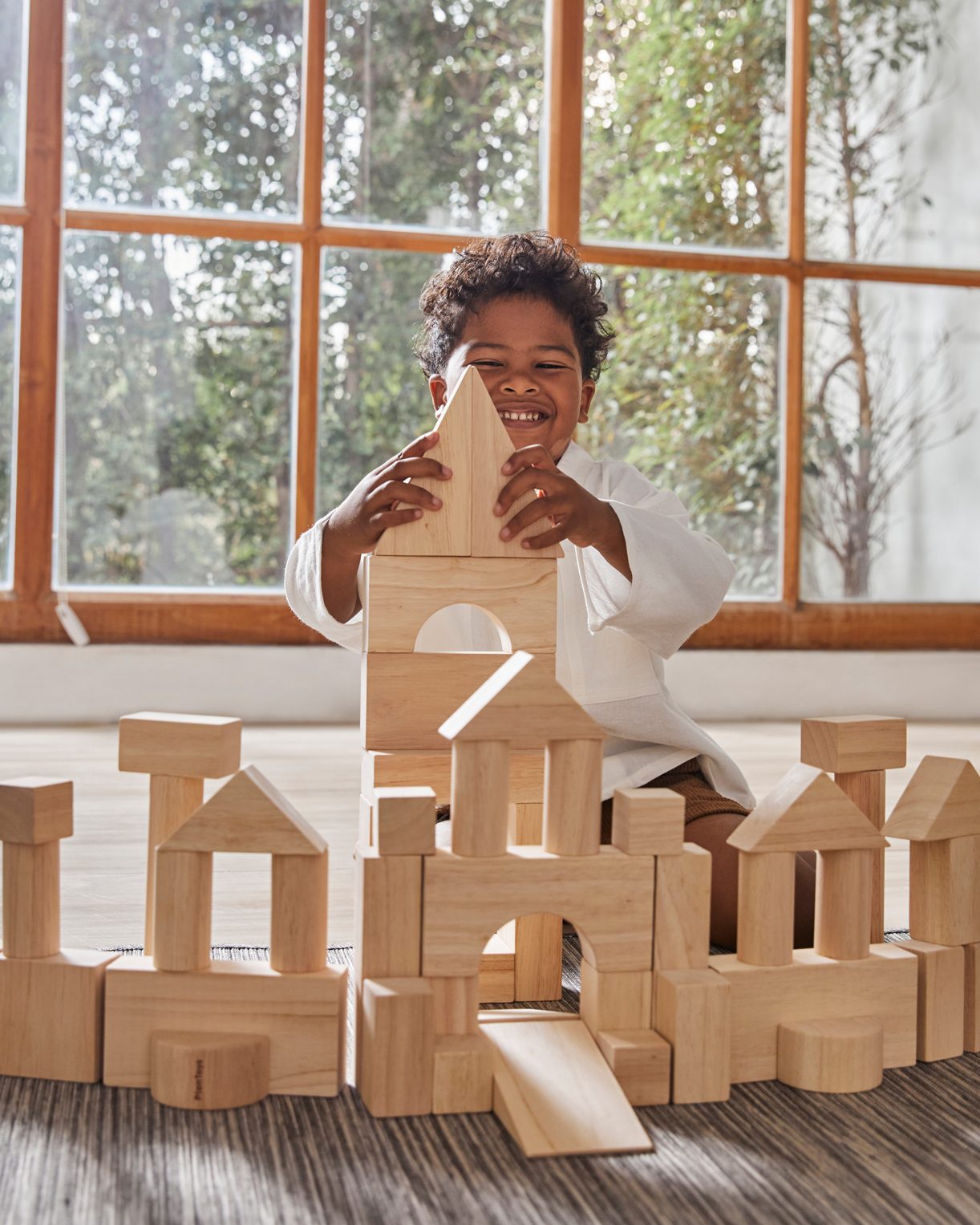
If your toddler is one of those little explorers who loves to experiment with anything and everything, open-ended play will be right up their alley! Open-ended toddler learning approaches have no rules, no specific goals—just the freedom to create, build, and play in their own way. It’s all about letting their imaginations run wild while they explore different materials.
Activities: Open-ended play can be as simple as giving them building blocks, art supplies, or playdough. Let them decide what to make or build without any specific instructions or limits. They’ll love the freedom, and this kind of play encourages creativity and discovery.
Why it’s beneficial: Open-ended play supports problem-solving, independence, and decision-making. It also strengthens fine motor skills as they manipulate materials. The beauty of open-ended play is that it grows with them—today, they may build a tower, and tomorrow that same set of blocks becomes a rocket ship. There’s no limit to what they can create and open ended play materials is an area to invest because they will be used over and over as your children grow.

4. Fine Motor Skills: Strengthening Coordination
Strengthening those little hands and fingers is a big deal for toddlers—it sets the foundation for everything from writing to tying shoes later on. It’s one of those toddler learning approaches that is important to learn now and will be super beneficial in the long run! Fine motor skills develop naturally, but giving them fun, engaging activities helps them along the way. Your toddler doesn’t need to be writing their name now to be ready for kindergarten in 3 years. If your toddler isn’t interested in writing at all— or you aren’t ready to unleash a tiny artist on your white sofa (you are going to need to reconsider that sofa)– there are so many other ways to skill build beyond drawing and writing.
Activities: Simple things like threading beads, using safety scissors, or playing with stacking toys are perfect for building fine motor strength. Even letting them peel a banana or snap green beans for dinner can be a fine motor activity! So while drawing and coloring are definitely fun and important, mix it up and try other methods as well.
Why it’s beneficial: These activities help toddlers develop the muscle control and coordination they’ll need for tasks like writing and using utensils. They also encourage patience and focus, which are skills every toddler—and parent—can benefit from!
5. Cognitive Development: Growing Curious Minds
Toddlers are naturally curious about the world around them. Every “why?” and “how?” is their way of learning, and we can support that curiosity with activities that promote cognitive development. It’s all about helping them understand how things work and encouraging them to think critically.
Activities: Simple puzzles, matching games, sorting shapes, or introducing counting and letters in fun ways are great for boosting cognitive skills.
Why it’s beneficial: Cognitive development learning approaches help toddlers practice problem-solving, memory, and focus. It gives their little brains a workout while keeping things fun and interactive!
Wrapping It Up: Keep Learning Playful and Stress-Free
The best part of exploring different toddler learning approaches? It doesn’t need to be complicated or rigid. Whether you’re drawn to Montessori methods, love watching their creativity through imaginative play, or enjoy seeing them build with open-ended toys, you’re already doing an amazing job. In our house, I like to throw in a mix of it all and we push and pull for what is working with each child in their particular season of growth and development. I won’t claim this is easy, it requires a sometimes towering amount of work to arrange play spaces to meet their needs and interests, but it is working for us.
And as you raise your toddler, remember whatever works for you and yours in order to provide opportunities that spark their curiosity and encourage growth at their own pace.
Here at Marley & Moose, we believe in making parenting a little easier, and that includes helping you discover ways to support your little one’s learning. Explore more tips on our blog, and check out our thoughtfully curated collection of toys that inspire creativity, development, and fun!
